
Used Wheelchair: A Comprehensive Guide to Understanding Its Benefits and Meeting User Needs
- hanqimedicals
- Feb 20
- 4 min read

When it comes to smart mobility options, finding the right wheelchair can make a notable difference in a person’s daily life. Many individuals and healthcare facilities are exploring cost-effective options, and that’s where the expertise of a Wholesale Wheelchair Supplier becomes invaluable. Used wheelchairs, when carefully selected, provide both quality and affordability, allowing users to maintain independence without compromising on comfort or safety. In this guide, we’ll explore the benefits of used wheelchairs, how to choose the right one, and useful advice to ensure a seamless experience for users.
Understanding the Advantages of a Used Wheelchair
Investing in a wheelchair can be expensive, especially for advanced models with custom features. However, a used wheelchair offers multiple benefits:
Cost-Effectiveness
One of the most obvious advantages is the lower price point. Many used wheelchairs are in excellent condition and function just like new models. This makes them ideal for families or organizations looking to manage budgets without sacrificing quality.
Eco-Friendly Choice
Choosing a used wheelchair supports sustainability. By reusing mobility equipment, you reduce waste and the ecological footprint associated with producing new goods.
Quick Availability
Unlike new models that might require special orders or long delivery times, used wheelchairs are often ready for immediate use, making them a practical option for urgent mobility needs.
Variety of Options
From manual to electric, standard to specialized designs, the market for used wheelchairs offers diverse choices. This variety allows users to select models that perfectly fit their mobility requirements.
Types of Used Wheelchairs
Understanding the various wheelchair models is crucial before making a purchase. Here’s a breakdown:
1. Manual Wheelchairs
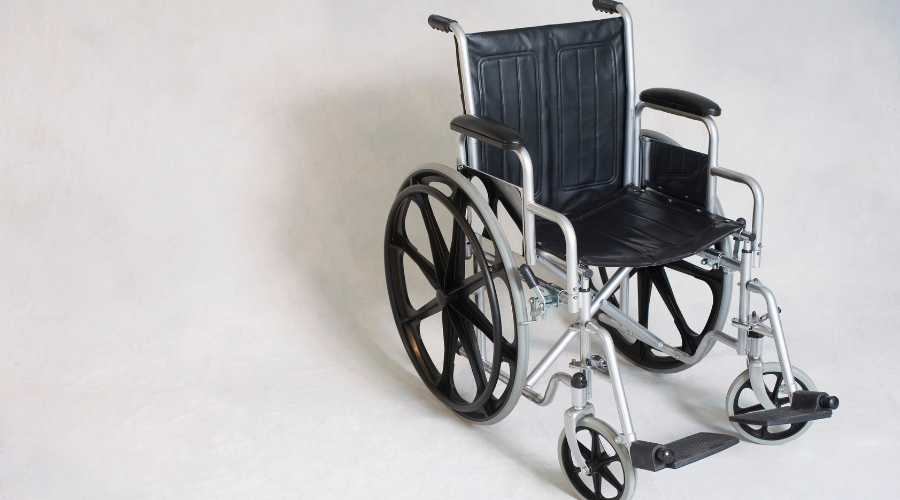
Hand-powered wheelchairs are powered by the user or a caregiver pushing the chair. They are lightweight, portable, and simple to care for. These wheelchairs are ideal for users with upper body strength or those needing a wheelchair for short distances.
2. Electric Wheelchairs
Electric or power wheelchairs are designed for users who need assistance with mobility over long distances. Even used models can provide all the functionalities of new chairs, including adjustable seating, rechargeable batteries, and joystick controls.
3. Lightweight and Folding Wheelchairs
For users who travel frequently, folding wheelchairs offer convenience and portability. They are easy to store in vehicles or carry during trips and are perfect for both indoor and outdoor use.
4. Specialized Wheelchairs
Some wheelchairs are tailored for medical conditions, including reclining, tilt-in-space, or sports wheelchairs. These models are often available as used units at a fraction of the new price, making them accessible to more users.
How to Evaluate a Used Wheelchair
Buying a used wheelchair isn’t just about finding a lower price. Ensuring safety and functionality is critical. Here are some key factors to consider:
Check the Frame Condition
Examine the frame for cracks, rust, or bends. A sturdy frame ensures long-term durability and safety.
Test the Wheels and Tires
Make sure the wheels rotate smoothly and tires have minimal wear. Replacing worn tires can be costly, so inspect them carefully before purchase.
Inspect the Brakes
Functional brakes are crucial for user safety. Test them thoroughly to ensure they hold the chair firmly in place.
Assess Seat and Cushion
Comfort is key. Check for worn-out cushions or sagging seats. Often, seat pads can be replaced easily to improve comfort.
Check for Adjustable Features
Many wheelchairs come with adjustable footrests, armrests, or backrests. Ensure these features work correctly to support posture and mobility.
Tips for Maintaining a Used Wheelchair
Proper maintenance extends the lifespan of a wheelchair and ensures user safety. Here are practical tips:
Frequent cleaning: Wipe down the frame and wheels to prevent dirt and rust buildup.
Lubrication: Apply lubricant to moving parts like wheel bearings and joints to keep them operating smoothly.
Tire Checks: Inspect tires regularly and replace them when they show signs of wear.
Periodic Inspections: Look for frame integrity and tighten any loose screws or bolts.
Battery Care (for Electric Models): Charge regularly and avoid letting the battery drain completely to preserve its lifespan.
Who Can Benefit from a Used Wheelchair?
Used wheelchairs are ideal for a wide range of users:
Elderly Individuals: Seniors who require occasional assistance with mobility.
Patients in Rehabilitation: People recovering from surgery or injury may need temporary wheelchairs.
Schools and Community Centers: Organizations serving people with disabilities can maximize resources by investing in quality used wheelchairs.
Travelers: Lightweight used wheelchairs are perfect for those who need portable and reliable mobility aids.
Where to Find Reliable Used Wheelchairs
Purchasing from reputable sources is crucial to ensure safety and quality.
Trusted options include:
Certified Medical Equipment Suppliers: Many offer inspected and refurbished wheelchairs.
Nonprofit Organizations: Some nonprofits specialize in donating or selling used mobility equipment.
Online Marketplaces: Platforms like eBay or Craigslist can offer deals, but buyers must verify the condition and safety features.
Remember, a supplier of Wholesale Wheelchair can be an excellent resource for acquiring multiple units at cost-effective prices, especially for healthcare facilities or institutions.
FAQs
Q1: Are used wheelchairs safe to use?
Yes, as long as they are inspected for structural integrity, functional brakes, and well-maintained wheels, used wheelchairs are safe and reliable.
Q2: How much can I save by buying a used wheelchair?
Cost reductions may vary from 30% to 70%, depending on the model, condition, and features of the wheelchair.
Q3: Can I customize a used wheelchair?
Absolutely. Many used wheelchairs allow for seat cushion replacement, adjustable footrests, or added accessories to meet individual needs.
Q4: How long do used wheelchairs last?
With proper maintenance, used wheelchairs can last 5 to 10 years or even longer, especially for high-quality brands.
Q5: Is it better to buy a used manual or electric wheelchair?
It depends on mobility needs. Manual wheelchairs are simpler and easier to maintain, while electric wheelchairs provide enhanced independence for users who need more support.
Conclusion
Used wheelchairs offer a cost-effective, sustainable, and practical solution for individuals and organizations seeking reliable mobility options. By understanding the types of wheelchairs available, evaluating their condition, and maintaining them properly, users can enjoy enhanced independence and comfort. Whether for temporary use, long-term mobility, or organizational needs, investing in a used wheelchair is a smart choice that balances quality with affordability. By selecting from reputable sources and considering features that match user needs, a used wheelchair can deliver the same value and functionality as a new one, making mobility accessible to everyone.


Comments