
Materials Matter: Aluminum, Plastic, or Stainless Steel Shower Chairs
- hanqimedicals
- Dec 17, 2025
- 5 min read

When it comes to bathroom safety, shower chairs are indispensable for seniors, people with mobility challenges, or anyone recovering from surgery or injury. If you are looking to purchase a Wholesale Shower Chair, understanding the differences between materials is crucial. Choosing the right material can make a big difference in durability, comfort, and overall safety. In this article, we’ll examine the advantages and disadvantages of aluminum, plastic, and stainless steel shower chairs, helping you make an informed decision.
Why the Material of Your Shower Chair Matters
The material of a shower chair is not just about aesthetics—it affects weight, stability, longevity, and ease of maintenance. Some materials are better suited for heavy-duty use, while others prioritize lightweight portability. Additionally, certain materials handle moisture better and resist corrosion, which is vital in a wet bathroom environment.
Here’s a detailed breakdown of the three most common materials:
1. Aluminum Shower Chairs
Aluminum shower chairs are widely popular due to their combination of lightweight design and durability. They are typically corrosion-resistant, which makes them ideal for use in moist environments like bathrooms.
Advantages of Aluminum Shower Chairs:
Lightweight: Aluminum chairs are portable and adjust, making them perfect for people who need portability.
Rust-Resistant: Aluminum naturally resists corrosion, which ensures the chair lasts longer in wet conditions.
Adjustable Options: Many aluminum shower chairs come with modifiable legs, making it easy to customize the height for comfort and safety.
Strength-to-Weight Ratio: Despite being light, aluminum offers excellent support for users of various weights.
Disadvantages:
Cost: Aluminum chairs can be more expensive than plastic alternatives.
Scratches and Dents: Aluminum is softer than stainless steel, so it may dent or scratch over time.
Limited Cushioning Options: Some aluminum models do not include padded seats, which can affect comfort.
Best Use Case: Aluminum chairs are ideal for users who need a portable, corrosion-resistant solution without compromising too much on strength.
2. Plastic Shower Chairs
Plastic shower chairs are extremely common, often seen in hospitals, care homes, and private residences. They are lightweight, affordable, and easy to clean.
Advantages of Plastic Shower Chairs:
Lightweight and Portable: These chairs are often the lightest option, making them easy to move in and out of the shower.
Cost-Effective: Plastic chairs are typically cheaper, which is perfect for budget-conscious buyers or bulk orders.
Non-Corrosive: Unlike metal, plastic is naturally resistant to rust and corrosion.
Variety of Designs: Plastic allows manufacturers to create a range of colors and designs, sometimes with built-in ergonomic features.
Disadvantages:
Durability: Plastic chairs may not support as much weight as metal alternatives and are more prone to cracking.
Stability: Some lightweight plastic models can feel less stable, especially for heavier users.
Wear and Tear: Over time, plastic may discolor, warp, or weaken from constant exposure to water and cleaning agents.
Best Use Case: Plastic chairs are best for lightweight, budget-friendly, and portable solutions, especially for temporary use or less frequent use.
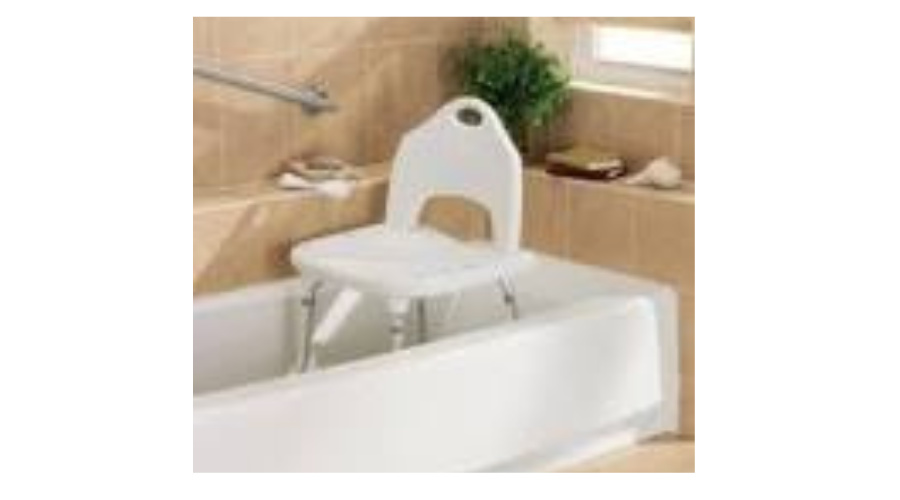
3. Stainless Steel Shower Chairs
Stainless steel shower chairs are widely regarded for their strength, durability, and long lifespan. They are often found in professional care settings where safety and longevity are a priority.
Advantages of Stainless Steel Shower Chairs:
Extreme Durability: Stainless steel is the strongest material, capable of supporting heavier users.
Corrosion-Resistant: High-quality stainless steel resists rust, making it excellent for long-term use in wet environments.
Stable and Secure: These chairs provide maximum stability due to their weight and sturdy frame.
Low Maintenance: Stainless steel surfaces are low-maintenance and resistant to staining.
Disadvantages:
Heavier Weight: Stainless steel chairs are less portable, which can make them harder to move.
Higher Cost: Premium stainless steel models are typically more expensive than aluminum or plastic options.
Temperature Sensitivity: Stainless steel can feel cold to the touch, which may be uncomfortable for some users.
Best Use Case: Stainless steel shower chairs are perfect for users who prioritize stability and long-term durability, particularly in healthcare facilities or households where frequent use is expected.
Choosing the Right Shower Chair Material
Selecting the right material for a shower chair depends on several factors:
User Weight and Mobility: Heavier users or those with significant mobility challenges benefit from stainless steel or reinforced aluminum chairs.
Bathroom Environment: If your bathroom is small or you need to move the chair frequently, aluminum or plastic may be better due to their lighter weight.
Budget Considerations: Plastic chairs are the most cost-effective, while stainless steel provides the longest-lasting solution.
Maintenance and Hygiene: All materials need regular cleaning, but stainless steel and plastic are generally easier to maintain.
Comfort Features: Some materials allow for cushioned seats, armrests, or backrests, which enhance comfort for prolonged use.
Additional Features to Consider
Regardless of material, modern shower chairs often include features that improve safety and comfort:
Non-Slip Rubber Tips: Essential for preventing slips in wet showers.
Adjustable Height Legs: Helps users customize the chair for their specific needs.
Backrests and Armrests: Provide extra support and make it easier to sit and stand.
Foldable Design: Some chairs fold flat for storage, ideal for small bathrooms.
Swivel Seats: Allows for easier transfer in and out of the shower for those with limited mobility.
These features can considerably elevate functionality of a shower chair, so it’s important to balance material choice with functionality.
Maintaining Your Shower Chair
Proper maintenance ensures your shower chair remains safe and long-lasting:
Frequent Cleaning: Use a soft cleanser and water to clean the chair after each use to prevent mold and soap scum buildup.
Inspect for Damage: Check for cracks, rust, or loose parts periodically.
Tighten Screws and Bolts: Ensures stability and reduces the risk of accidents.
Replace Rubber Tips: Worn tips can reduce grip and increase the chance of slipping.
Conclusion
Choosing the right shower chair requires careful consideration of material, durability, comfort, and safety. Aluminum chairs offer portability and rust resistance, plastic chairs provide budget-friendly and lightweight options, while stainless steel chairs guarantee maximum strength and stability. By understanding the differences between these materials and assessing your individual requirements, you can select a shower chair that enhances safety, comfort, and independence. Investing in the right chair not only improves bathroom safety but also promotes confidence and convenience for users of all ages.
FAQs
1. Can a shower chair support heavy users?
Yes, but you should choose a stainless steel or reinforced aluminum chair for maximum weight capacity and stability.
2. Are plastic shower chairs safe?
Yes, they are safe for most users, but ensure the chair has non-slip tips and sturdy construction to prevent accidents.
3. How do I clean a shower chair?
Wipe it down with mild soap and water regularly. Opt for mild cleaning agents that could damage plastic or aluminum surfaces.
4. Can I buy shower chairs in bulk?
Yes, suppliers offer options like bulk Shower Chair orders, which are ideal for healthcare facilities or large households.
5. Should I get a chair with a backrest?
If you need extra support or spend longer periods in the shower, a backrest and armrests are highly recommended for comfort and safety.


Comments